%2Ffit-in%2F250x250%2Fguide_websites%2F15107%2Fimages%2F1742406588326image-2025-03-20t014944.133.png&w=1200&q=100)
Austin's Best Beginner Bass Fishing Trip
- Published Date: November 29, 2025
- Fishing
- Austin
- Updated Date: December 1, 2025
Summary
%2F%2Fusers%2F18c20dcf-6507-43d3-ab15-68797f362989%2Fratecard%2F515098808_10223619330391135_365082906438341386_n-mijy4xp3.jpg&w=1200&q=75)
Big Bass Moments
Hook Your First Bass: Austin's Best Beginner Trip
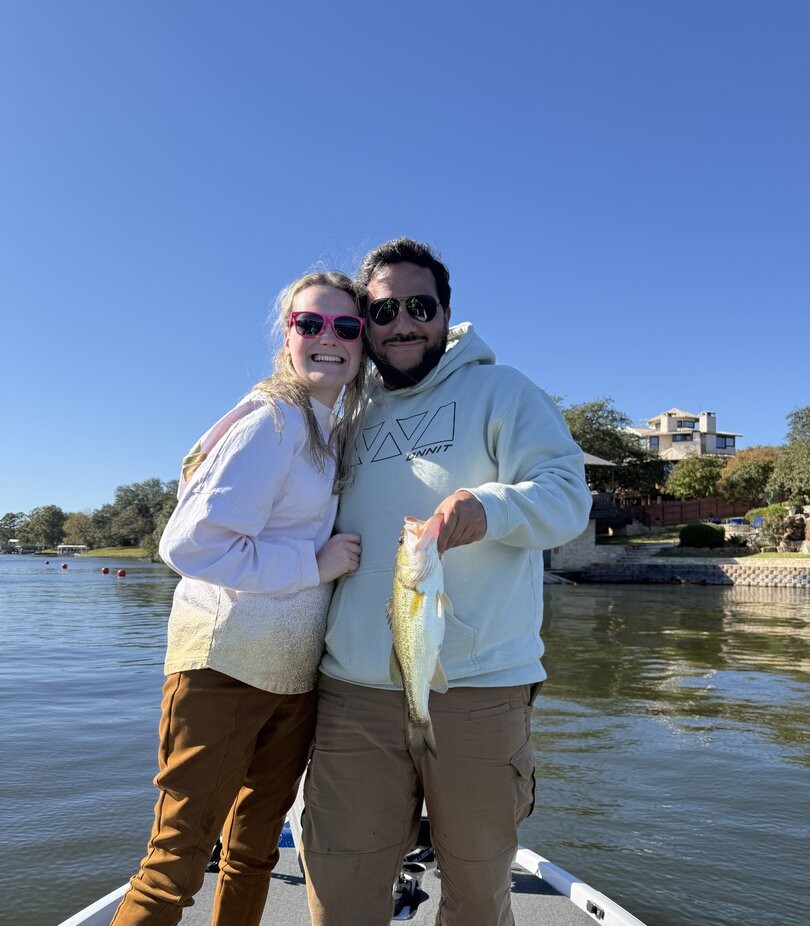
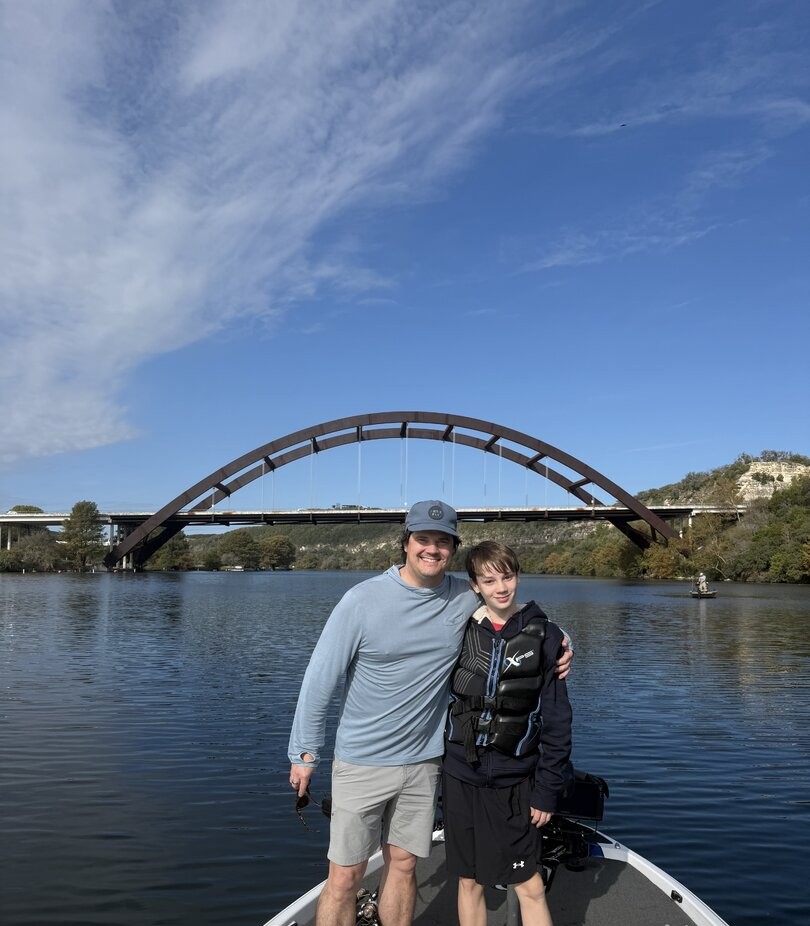
Ready to reel in your first trophy bass? Captain Randy Fesler's full-day trip on Austin's top lakes is your ticket to bass fishing success. Whether you've never held a rod or just need to brush up your skills, this 8-hour adventure is tailored for newcomers looking to land the big one. You'll cruise Lake Travis and Lake Austin, learning the ropes from a pro who knows these waters like the back of his hand. With all the gear provided and Randy's expert guidance, you'll be casting like a pro in no time. It's the perfect mix of hands-on learning and non-stop action, designed to get you hooked on bass fishing for life.
What to Expect on the Water
Kick off your day bright and early as you meet Captain Randy at the dock. He'll get you set up with top-notch rods, reels, and tackle – all included in your trip. As you motor out onto the sparkling waters of Lake Travis or Lake Austin, Randy will break down the basics of bass fishing. You'll learn how to read the water, spot likely fish hangouts, and master different casting techniques. Throughout the day, you'll target three bass species: Largemouth, Smallmouth, and Spotted Bass. Randy's patient, step-by-step approach means even complete novices will be confidently working lures and setting hooks in no time. And when you feel that first tug on the line? Get ready for the rush of reeling in your very own bass – it's a thrill that can't be beat!
Fishing 101: Techniques & Gear
On this trip, you'll dive into the world of bass fishing techniques. Captain Randy will show you the ropes on popular methods like Texas-rigging soft plastics, working topwater lures, and finesse fishing with drop shots. You'll learn when and where to use each technique for maximum success. The captain provides all the gear, from rods and reels to an array of lures designed to entice those bass. You'll get hands-on practice with different types of equipment, figuring out what feels most comfortable for you. As you cruise the lake, Randy will point out structure and cover where bass love to hide – things like submerged timber, weed beds, and rocky points. By the end of the day, you'll have a solid grasp on reading the water and choosing the right presentation to tempt those lunkers.
Species You'll Want to Hook
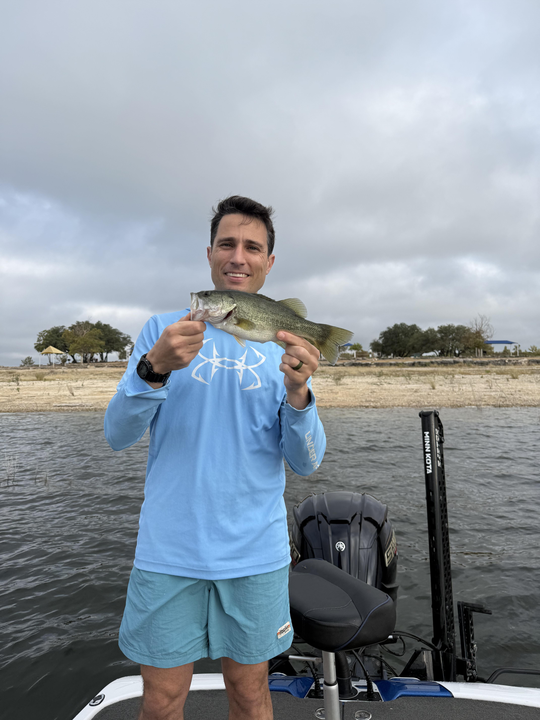
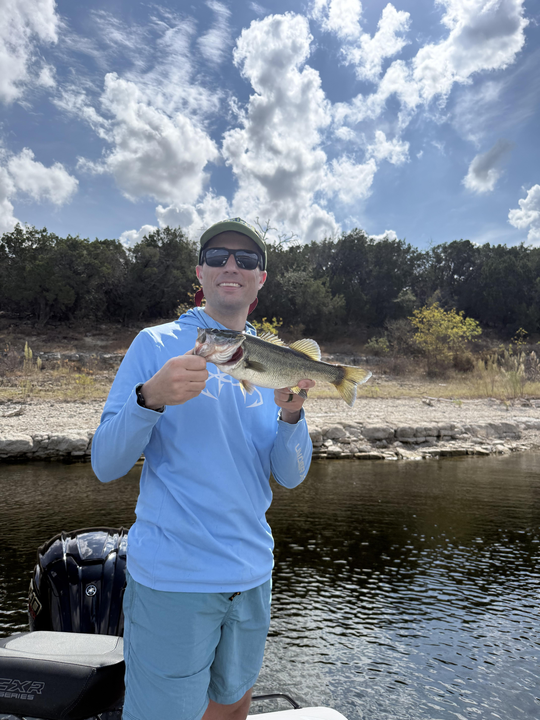
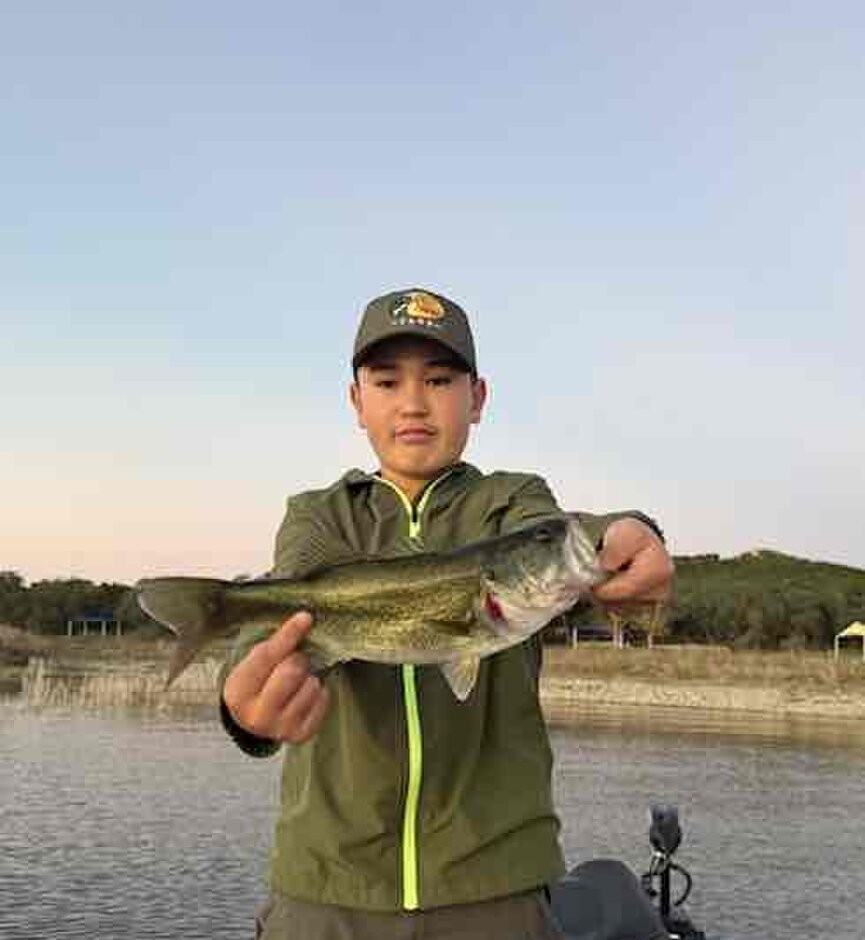
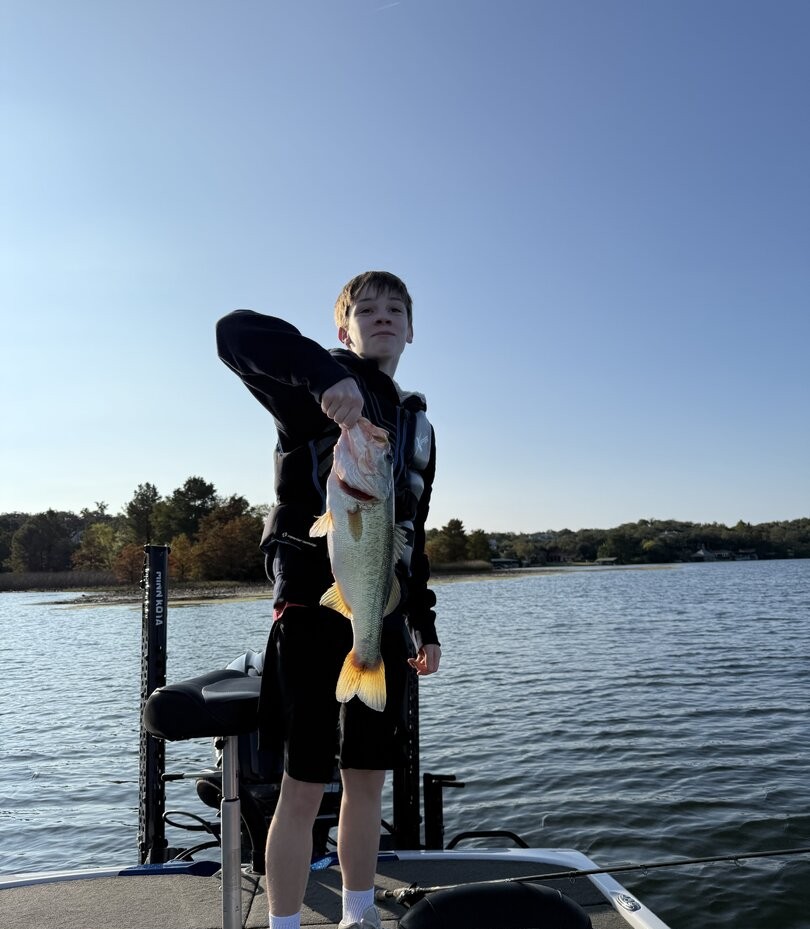
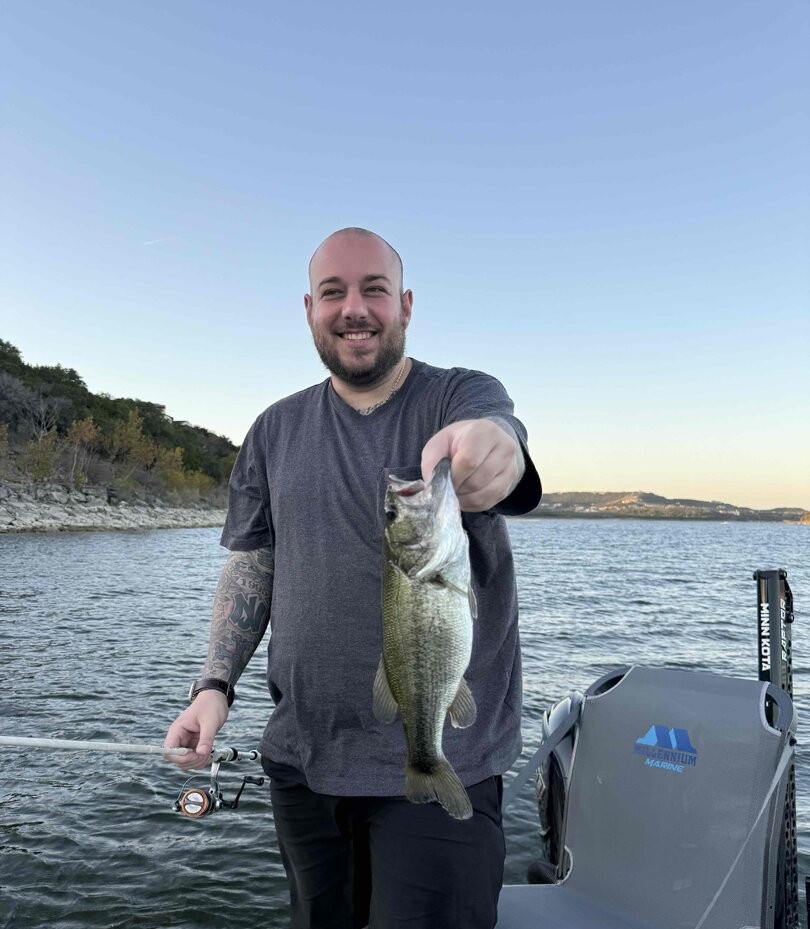
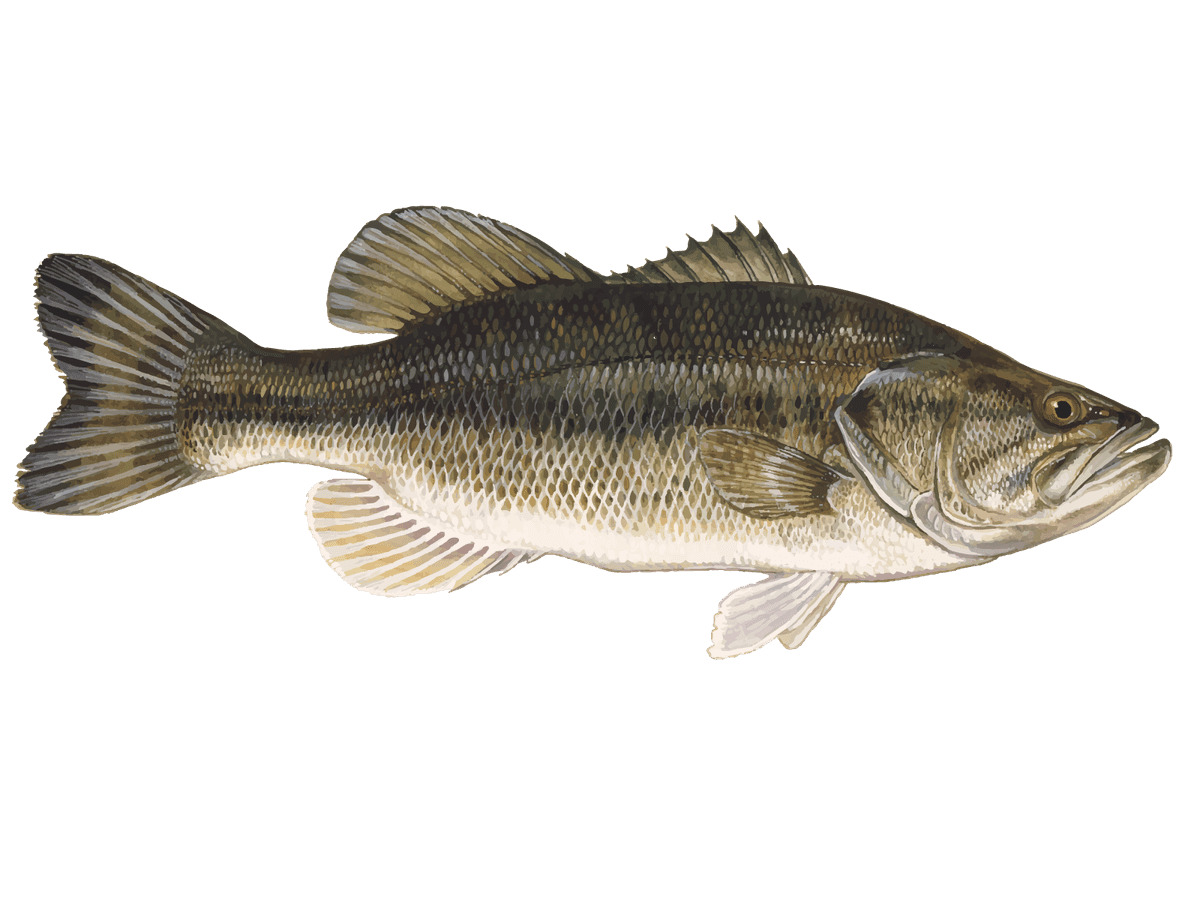
Largemouth Bass: The headliner of Austin's lakes, Largemouth Bass are the heavy hitters that keep anglers coming back for more. These aggressive predators can grow to impressive sizes, with fish over 5 pounds not uncommon. They love to ambush prey from cover, so casting near structure is key. Spring and fall are prime times to target trophy Largemouths, but they can be caught year-round with the right approach. The explosive strikes and powerful fights of a big Largemouth will have your heart racing – it's an unforgettable experience for any angler, especially beginners landing their first big bass.
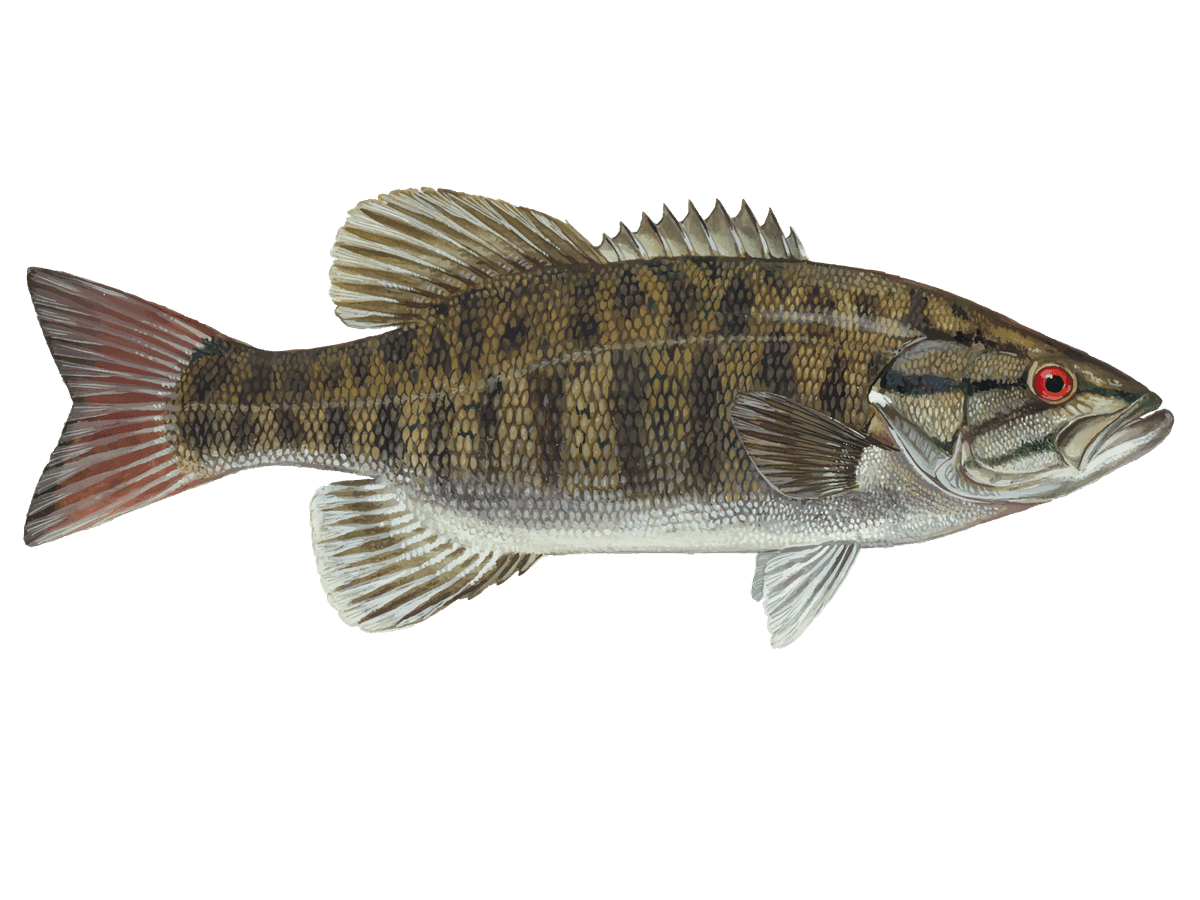
Smallmouth Bass: Don't let the name fool you – Smallmouth Bass pack a serious punch for their size. These bronze beauties are known for their acrobatic fights, often leaping clear out of the water when hooked. Smallies prefer cooler, clearer water and are often found around rocky areas and drop-offs. They're particularly active in the spring and fall, but can provide great action throughout the summer months as well. Catching a feisty Smallmouth on light tackle is a thrill that'll have you grinning from ear to ear.
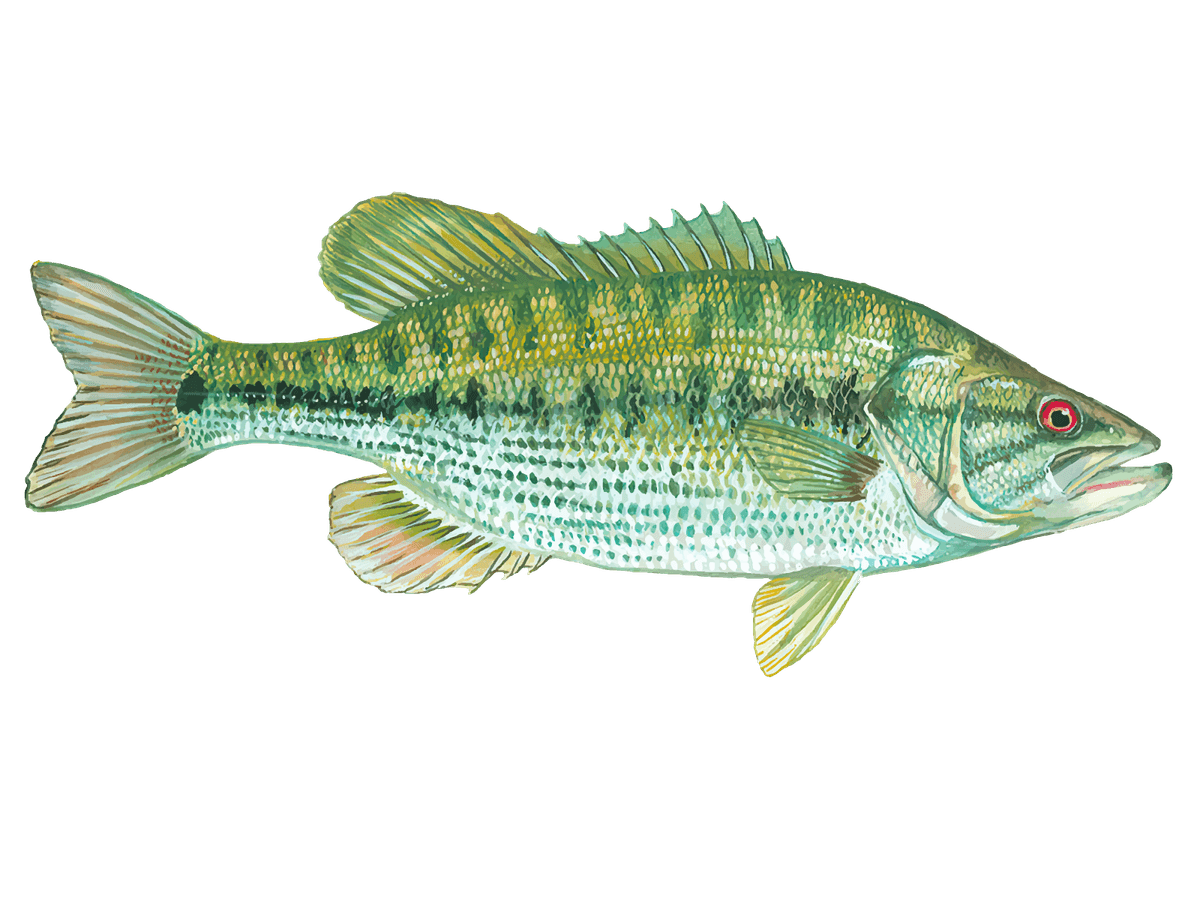
Spotted Bass: The often-overlooked cousin of Largemouth and Smallmouth, Spotted Bass (also called Kentucky Bass) offer their own unique challenge. These fish tend to school up, so when you find one, you've likely found a bunch. Spots love deep, clear water and can often be found suspending near underwater structure. They're aggressive feeders and will readily hit a variety of lures. While they may not grow as large as Largemouths, their willingness to bite and scrappy fights make them a favorite target for many anglers. Landing your first Spotted Bass is a great way to round out your Austin bass fishing experience.
Why Anglers Keep Coming Back
Captain Randy's beginner-friendly bass trips have earned a reputation as one of the best ways to get started in fishing around Austin. His patient teaching style and wealth of local knowledge ensure that even first-timers walk away with new skills and, more often than not, some impressive catches. The combination of hands-on instruction and the thrill of battling bass creates an addictive experience that has many guests booking return trips before they even get back to the dock. Plus, the chance to explore the scenic beauty of Lake Travis and Lake Austin while learning a new skill is hard to beat. Whether you're looking to jumpstart a new hobby or just want a fun day on the water, this trip delivers big time.
Top Catches This Season
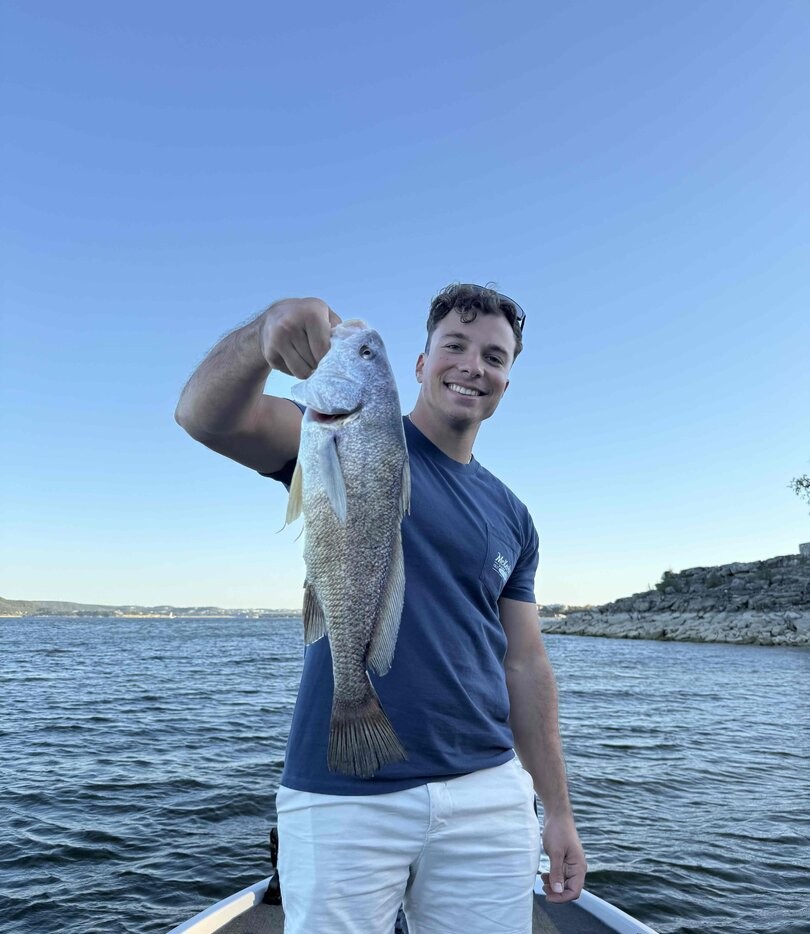
While every fishing trip is unique, Captain Randy's recent outings have been producing some stellar results for beginners. Largemouth Bass in the 3-5 pound range have been common, with a few lucky anglers even landing fish pushing 7 pounds or more. Smallmouth action has been hot, with numerous fish in the 2-3 pound class putting up spectacular fights. Spotted Bass have been schooling up nicely, providing fast action and allowing newcomers to hone their skills with multiple catches. Of course, the real trophy is the knowledge and experience gained – many guests leave feeling confident enough to plan solo fishing trips of their own.
Time to Book Your Spot
Ready to dive into the world of bass fishing? Captain Randy's full-day beginner trip is your perfect starting point. You'll get personalized instruction, top-notch gear, and access to some of the best bass fishing spots Austin has to offer. Whether you're looking to learn a new skill, bond with family or friends, or just enjoy a relaxing day on the water, this trip checks all the boxes. Spots fill up fast, especially during peak seasons, so don't wait to lock in your date. Grab your hat and sunscreen, and get ready for a day of bass-catching action you won't soon forget. Book now and take the first step towards becoming the angler you've always wanted to be – those Austin bass are waiting!
Learn more about the species
Largemouth Bass
Largemouth bass are the heavyweights of the sunfish family, typically running 1-4 pounds but capable of topping 10. You'll find them lurking around weeds, logs, and other cover in warm, shallow waters. These ambush predators have a massive bucket mouth that lets them gulp down everything from small fish to frogs. Spring and fall are prime seasons when bass move shallow to feed. Largemouth put up a great fight, often leaping clear out of the water when hooked. That's why so many anglers get hooked on bass fishing themselves. To up your odds, try working a plastic worm slowly along the bottom near cover. Let it sit motionless, then give it a little twitch - that often triggers a strike. Just be ready to set the hook hard when you feel that telltale "thump."
Smallmouth Bass
Smallmouth bass are the stream-dwelling cousins of largemouth, typically weighing 1-3 pounds. You'll find them in cool, clear rivers and lakes with rocky bottoms. These bronze battlers are known for their acrobatic fights, often leaping repeatedly when hooked. Spring and fall are prime seasons as smallies move shallow to feed. Anglers prize them for their hard-fighting nature and tasty, firm flesh. To catch more, focus on current breaks near rocky structure. A small tube jig or crawfish imitation worked along the bottom can be deadly effective. In summer, try deeper holes as smallmouth seek cooler water. One local tip: on bright days, look for shaded areas under overhanging trees or cliffs - smallies often hang out there to ambush prey.
Spotted Bass
Spotted bass are the scrappy cousins of largemouth, averaging 1-3 pounds. Look for them in clear, flowing water with rocky or gravel bottoms. Unlike largemouth, spots tend to school up, so if you catch one, there's likely more nearby. They're aggressive feeders that'll chase down a lure, putting up an impressive fight on light tackle. Spring and fall are great times to target spots as they move shallow. Anglers love their hard-fighting nature - they'll dive deep and battle all the way to the boat. To catch more, try fishing deep structure like underwater points and ledges. A small crankbait or jig worked along the bottom can be deadly. Keep an eye out for those telltale rows of spots along their belly to ID them from largemouth.
About the 21’ Skeeter bass boat
%2F%2Fusers%2F18c20dcf-6507-43d3-ab15-68797f362989%2Fvehicle_picture%2Fb2f0d3db7e4b62f10e33a69d1d1a7e19.jpeg&w=1200&q=75)
Vehicle Guest Capacity: 2
Manufacturer Name: Yamaha
Maximum Cruising Speed: 60
Number of Engines: 1
Horsepower per Engine: 250