%2Ffit-in%2F250x250%2Fguide_websites%2F15107%2Fimages%2F1742406588326image-2025-03-20t014944.133.png&w=1200&q=100)
Caught Two Feisty Largemouth Bass in Buchanan Dam
Largemouth Bass Fishing in Buchanan Dam
%2F%2Fusers%2F18c20dcf-6507-43d3-ab15-68797f362989%2Fimages%2Flargemouth-bass-buchanan-dam-tx-7917.png&w=1200&q=75)
The Largemouth Bass is one of North America's most prized freshwater gamefish, belonging to the Centrarchidae family in the order Perciformes. These powerful predators can reach impressive sizes between 15 and 32 inches, weighing anywhere from 2 to 22 pounds when fully mature. - Largemouth Bass prefer structure-rich habitats in lakes, ponds and rivers. - They're known for their aggressive strikes and acrobatic fights when hooked.
Guided Fishing Trip by Guide Randy Fesler in August
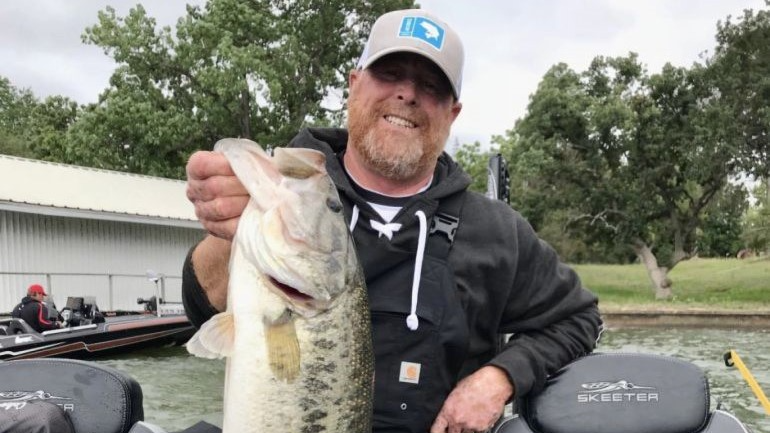
Meet your Guide Randy Fesler
- Lake LBJ and Lake Buchanan Bass Fishing Guide



Summary
Our Saturday May fishing trip with Reel Texas Fishing Tours delivered exceptional action on Buchanan Dam. Guide Randy Fesler put us on multiple Largemouth Bass and Smallmouth Bass throughout our 6-hour charter. Using both heavy and light tackle setups, we worked the banks and structure where bass were actively feeding. The partly cloudy weather created perfect conditions for a productive morning on the water. This guided fishing trip offers everything you need for a successful day targeting bass in Buchanan Dam's productive waters—all equipment provided and suitable for both experienced anglers and beginners looking to improve their freshwater fishing skills.
Fishing Charter with Randy Fesler – Rates & Booking
Guide Randy Fesler of Reel Texas Fishing Tours on Saturday May offers 6-hour guided fishing trips on Buchanan Dam, where you'll target Largemouth Bass, Smallmouth Bass, Florida Bass, and Spotted Bass. All necessary fishing equipment is provided, including both heavy and light tackle setups perfect for the local conditions. Randy's extensive knowledge of the lake ensures you'll be positioned right where the fish are biting, whether you're working structure along the banks or finding hidden hotspots throughout the reservoir. This trip accommodates two anglers comfortably, making it perfect for friends or family looking to enjoy a day on the water together.
Highlights of This Fishing Trip
This Buchanan Dam fishing trip stands out for its consistent bass action throughout the day. You'll experience the thrill of setting hooks on aggressive Largemouth and Smallmouth Bass that put up impressive fights on both heavy and light tackle. Guide Randy Fesler excels at teaching technique and helping you read the water to locate productive areas, making this trip valuable for anglers of all skill levels.
The beautiful scenery around Buchanan Dam provides a stunning backdrop for your fishing adventure. Between catches, you'll enjoy the peaceful surroundings and have opportunities to learn from a knowledgeable local guide who's passionate about sharing his expertise. Whether you're looking to improve your bass fishing skills or simply enjoy a relaxing day catching fish, this charter delivers a perfect blend of action and instruction.
Local Species Insights: Largemouth Bass
Largemouth Bass in Buchanan Dam are known for their aggressive strikes and powerful fights. These popular gamefish thrive in the lake's structure-rich environment, particularly around submerged timber, rocky points, and weed edges. During spring and early summer, target them in shallower waters where they spawn and feed actively. As temperatures rise in mid-summer, look for bass near deeper structure and drop-offs where they seek cooler water.
The most effective techniques for Buchanan Dam's Largemouth include Texas-rigged soft plastics around cover, topwater action during morning hours, and crankbaits worked along points and ledges. The lake consistently produces quality bass in the 2-4 pound range, with larger specimens exceeding 6 pounds not uncommon for anglers who know where to look. Randy's local expertise helps you identify the most productive areas based on seasonal patterns and current conditions.
Plan Your Fishing Charter Day
Your fishing trip begins early morning when bass are most active, typically meeting at a convenient launch point around sunrise. Dress in layers as Texas mornings can start cool but warm quickly. Bringing sunscreen, polarized sunglasses, and a hat is recommended for comfort on the water. While all fishing gear is provided, you're welcome to bring your favorite rod and reel if preferred.
The boat offers comfortable fishing platforms and storage for personal items. A cooler with ice is available for any refreshments you bring along. Photos of your catch are included as part of the experience, allowing you to document your successful day on Buchanan Dam. For the best experience, book your trip in advance as Randy's calendar fills quickly, especially during prime bass fishing seasons.
Fishing in Austin: Largemouth Bass

The Largemouth Bass (Micropterus salmoides) is the most celebrated member of the Centrarchidae family (sunfish) and belongs to the order Perciformes. Distinguished by its large, hinged mouth that extends beyond the eye and its characteristic dark lateral line, this species has earned its reputation as America's favorite freshwater gamefish. In Buchanan Dam waters this May, anglers can target these aggressive predators in their prime pre-summer feeding pattern.
Largemouth Bass Overview
Largemouth Bass are ambush predators with a reputation for explosive strikes and acrobatic fights. Their popularity among anglers stems from their widespread distribution, fighting spirit, and the challenge they present across various fishing techniques. As the dominant predator in many freshwater ecosystems, they grow to impressive sizes and adapt to diverse habitats.
Largemouth Bass Habitat and Distribution
These bass thrive in warm, vegetated lakes, reservoirs, ponds, and slower sections of rivers. They prefer areas with abundant cover such as submerged logs, rock piles, docks, vegetation edges, and drop-offs. In Buchanan Dam, they're commonly found around flooded timber, rocky points, and weed lines where they can ambush prey while remaining protected.
Largemouth Bass Size and Weight
Typical Largemouth Bass range from 15 to 32 inches in length and weigh between 2 and 22 pounds. In Texas lakes like Buchanan Dam, a quality bass is considered 3-5 pounds, while trophy specimens exceeding 8 pounds are possible but less common. The state record for Texas Largemouth Bass stands at over 18 pounds, showing the species' growth potential in optimal conditions.
Largemouth Bass Diet and Behavior
Largemouth Bass are opportunistic predators that feed primarily on smaller fish, crawfish, frogs, and large insects. They're most active during dawn and dusk hours, though they'll feed throughout the day under favorable conditions. Bass typically cruise structure edges, using ambush tactics to surprise prey. Their feeding activity increases before frontal systems and during seasonal transitions.
Largemouth Bass Spawning Season
Spawning occurs when water temperatures reach 60-65°F, typically from late February through April in Texas waters like Buchanan Dam. Males create shallow nests in protected areas and guard the eggs and fry after spawning. During this period, bass are territorial and aggressive, often striking lures to protect their nests rather than to feed.
Largemouth Bass Fishing Techniques
Multiple techniques prove effective for Largemouth Bass. Soft plastic worms and lizards Texas-rigged or Carolina-rigged excel around cover. Topwater lures like poppers and walking baits create exciting visual strikes during morning and evening hours. Crankbaits and spinnerbaits work well when covering water to locate active fish. In May around Buchanan Dam, focus on points and secondary structure adjacent to spawning flats, as bass transition to their post-spawn patterns and begin more active feeding.
Largemouth Bass Is It Good to Eat?
Largemouth Bass offer mild, white, flaky meat with moderate flavor. While not considered a premier food fish compared to species like crappie or walleye, they're perfectly edible when properly prepared. Many anglers practice catch-and-release with larger specimens to preserve trophy genetics in the fishery. Smaller bass (1-3 pounds) generally provide better table fare. They can be prepared baked, fried, or grilled with simple seasonings that don't overpower their natural flavor.
Largemouth Bass Frequently Asked Questions
Q: What is the best bait for Largemouth Bass?
A: Plastic worms, particularly in green pumpkin or watermelon red colors, are consistently effective. Live baits like shiners and crawfish also produce well. Match your presentation to conditions—topwater in low light, deeper presentations during midday or summer heat.
Q: Where can I find Largemouth Bass near Buchanan Dam?
A: Focus on submerged timber, rocky points, dock structures, and weed edges. The northern creek arms and main lake points hold good concentrations of bass throughout the year, with depth varying by season.
Q: Is Largemouth Bass good to eat?
A: Yes, they provide mild, white fillets when properly prepared. Smaller bass (1-3 pounds) generally taste better than larger specimens. Proper cleaning and preparation are essential—removing the dark lateral line improves flavor.
Q: When is the best time to catch Largemouth Bass?
A: Early morning and late evening typically produce best, especially in warmer months. Spring (March-May) offers excellent fishing during the pre-spawn and spawn periods. Fall can be productive as bass feed heavily before winter. Summer requires targeting deeper structure or fishing early/late in the day.
Q: What pound test line should I use for bass fishing?
A: For most applications, 10-14 pound test fluorocarbon or monofilament works well. Use heavier 15-20 pound test when fishing heavy cover or when targeting trophy bass. For finesse techniques like drop-shotting, lighter 8-10 pound test increases sensitivity and bait action.
Q: How deep do Largemouth Bass typically stay?
A: Bass follow seasonal patterns—shallow (1-10 feet) during spring spawning season, moderately deep (8-15 feet) during transition periods, and potentially deeper (15-25 feet) during summer heat and winter. Daily movements related to light conditions and feeding also affect depth preferences.