%2Ffit-in%2F250x250%2Fguide_websites%2F15107%2Fimages%2F1742406588326image-2025-03-20t014944.133.png&w=1200&q=100)
Trophy Largemouth Bass Fishing at Buchanan Dam
Largemouth Bass Fishing in Buchanan Dam, TX
%2F%2Fusers%2F18c20dcf-6507-43d3-ab15-68797f362989%2Fimages%2Flargemouth-bass-buchanan-dam-fishing-4708.png&w=1200&q=75)
The Largemouth Bass is America's most iconic freshwater gamefish, known for aggressive strikes and acrobatic fights. These ambush predators are found throughout Texas lakes and rivers, with Buchanan Dam offering some of the state's most consistent bass fishing. - Florida-strain bass in Texas lakes can reach trophy sizes exceeding 10 pounds. - Bass typically spawn in spring when water temperatures reach 60-65°F. - They prefer structure like submerged vegetation, fallen trees, and rocky points.
Guided Fishing Trip by Guide Randy Fesler in October
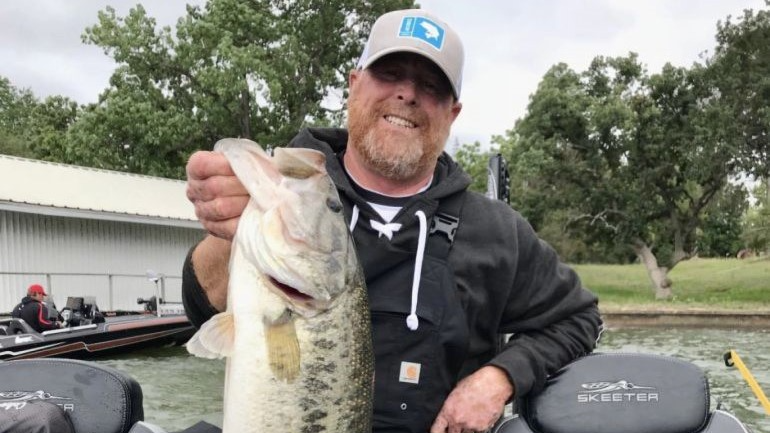
Meet your Guide Randy Fesler
- Lake LBJ and Lake Buchanan Bass Fishing Guide



Summary
Tuesday September fishing on Buchanan Dam delivered quality Largemouth Bass action with Reel Texas Fishing Tours. Michael and his son Joseph experienced a productive day using bottom fishing techniques and casting lures to target Florida Bass and Largemouth Bass throughout our session. The clear weather conditions created perfect visibility on the water, allowing us to work multiple spots effectively. Whether you're an experienced angler or bringing family along, our guided fishing trips provide everything needed for a successful day on the lake. With flexible timing and varied techniques, we adapt to fish activity patterns to maximize your chances at landing quality bass in these Austin area waters.
Fishing Charter with Randy Fesler – Rates & Booking
Guide Randy Fesler of Reel Texas Fishing Tours on Tuesday September offers flexible 6-hour fishing charters targeting Largemouth Bass in the productive waters of Buchanan Dam. Our trips include all the necessary equipment and expert guidance to put you on fish using effective techniques for the current conditions. We specialize in bottom fishing, casting with lures, and live bait fishing to maximize your chances at landing Florida Bass and Largemouth Bass throughout the day. Whether you're coming solo or bringing family along, our flexible scheduling means we can adjust to weather conditions and fish activity patterns.
Highlights of this Fishing Trip
This fall morning trip with Michael and his son Joseph featured clear conditions throughout the day, creating ideal visibility for targeting bass. The early start gave us plenty of time to work different spots and techniques, focusing primarily on bottom fishing and lure casting. Both methods proved effective, with the duo landing solid Florida Bass and Largemouth Bass during our session.
We adapted our approach based on fish activity throughout the day, allowing us to maintain consistent action on the water. The combination of heavy and light tackle provided versatility for different fishing scenarios, and the clear weather made for perfect fishing conditions from start to finish. Both anglers put in solid work with each technique, resulting in quality catches that made for a memorable day on the lake.
Local Species Insights: Largemouth Bass
Largemouth Bass in Buchanan Dam thrive in the varied structure this lake provides, from submerged vegetation to rocky outcroppings and fallen timber. These opportunistic predators are known for aggressive strikes, making them an exciting target for anglers of all skill levels. During fall months, bass typically move to shallower flats as water temperatures moderate, creating prime opportunities for both bottom fishing and casting presentations.
For consistent success, target areas where deep water meets shallow structure, especially during morning and evening hours when bass are most active. Soft plastics rigged Texas-style and deep-diving crankbaits have proven particularly effective in these waters, with color selection dependent on water clarity and light conditions. The lake's healthy population of both Florida-strain and native Largemouth Bass means anglers have opportunities for quality catches throughout the year.
Plan Your Fishing Charter Day
When booking with Reel Texas Fishing Tours, you'll be aboard a well-equipped fishing boat with comfortable seating and all necessary safety equipment. Our 6-hour trips are fully equipped with quality rods, reels, and terminal tackle appropriate for targeting bass in these waters. We provide all necessary bait and lures, though you're welcome to bring favorite lures if you prefer.
For maximum comfort, we recommend bringing sun protection, weather-appropriate clothing, snacks, and drinks. Morning departures often yield the best fishing action, but we're flexible with scheduling to accommodate your preferences. With advance notice, we can customize trip details to ensure you have the best possible experience on Buchanan Dam.
Fishing in Austin: Largemouth Bass

The Largemouth Bass (Micropterus salmoides) belongs to the Centrarchidae family and Perciformes order. This iconic American gamefish is distinguished by its oversized jaw that extends beyond the eye, olive-green coloration with a distinctive lateral black stripe, and aggressive predatory behavior. In Buchanan Dam waters this September, these bass are actively feeding as they prepare for cooler fall temperatures.
Largemouth Bass Overview
As North America's most popular freshwater gamefish, Largemouth Bass are prized by anglers for their fighting ability and widespread availability. They're the largest member of the sunfish family, with a slightly forked tail and separated dorsal fins featuring spiny and soft-rayed portions. Their popularity has led to widespread stocking programs, including in Texas lakes where Florida-strain genetics have been introduced to increase growth potential.
Largemouth Bass Habitat and Distribution
Largemouth Bass thrive in lakes, ponds, reservoirs, and slow-moving rivers with abundant cover and structure. They prefer areas with aquatic vegetation, fallen trees, docks, and rock piles that provide ambush points for feeding. In Buchanan Dam, they're commonly found along shoreline structure, points extending into deeper water, and around submerged vegetation beds. They tolerate a wide range of water conditions but generally prefer clear to slightly stained water with temperatures between 65-85°F.
Largemouth Bass Size and Weight
Adult Largemouth Bass typically measure between 15 and 32 inches in length and weigh from 2 to 22 pounds. Average catches in Buchanan Dam range from 2-5 pounds, though trophy specimens exceeding 8 pounds are caught each year. Florida-strain genetics introduced to Texas lakes have increased growth potential, with the state record exceeding 18 pounds. Growth rates vary based on habitat quality, forage availability, and genetics.
Largemouth Bass Diet and Behavior
These opportunistic predators feed primarily on smaller fish, crawfish, frogs, and large insects. They're ambush hunters, using cover to hide before explosively striking at prey. Bass are most active during dawn and dusk periods, though they'll feed throughout the day in overcast conditions or deeper water during summer. Their behavior changes seasonally, with more aggressive feeding in spring and fall transition periods when water temperatures are moderate.
Largemouth Bass Spawning Season
Spawning typically occurs in spring when water temperatures reach 60-65°F, usually March through May in Texas waters. Males create shallow nests by sweeping their tails to create depressions in firm bottom areas near protective cover. After females deposit eggs, males guard the nest aggressively against predators until fry disperse. During this period, bass are particularly territorial and may strike lures out of aggression rather than hunger.
Largemouth Bass Fishing Techniques
Successful bass fishing typically involves matching presentations to conditions and fish activity levels. Soft plastic worms and creature baits rigged Texas-style excel when fished slowly around structure. Crankbaits, spinnerbaits, and topwater lures are effective when bass are actively feeding. In September around Buchanan Dam, focus on points and ledges near deeper water during morning hours, then move to shaded areas with cover as the sun rises higher. Adjust retrieval speed based on fish response—slower presentations often work best during cooler periods.
Largemouth Bass Is It Good to Eat?
Largemouth Bass have mild, white flesh with a clean flavor when taken from good water quality. While not typically considered a premier food fish compared to crappie or walleye, they're perfectly edible when properly prepared. The flesh is firm with few bones, making them relatively easy to fillet. Bass are best when cooked soon after catching and prepared by baking, grilling, or frying. They're a good source of protein and contain beneficial omega-3 fatty acids, though consumption advisories may exist for certain waters.
Largemouth Bass Frequently Asked Questions
Q: What is the best bait for Largemouth Bass?
A: Plastic worms (especially in June-bug, watermelon, and black/blue colors), creature baits, and crawfish imitations are consistently effective. Live bait options include shiners, crawfish, and nightcrawlers. Match your presentation to water clarity and fish activity level for best results.
Q: Where can I find Largemouth Bass near Buchanan Dam?
A: Focus on submerged vegetation, rocky points, boat docks, fallen timber, and drop-offs near spawning flats. During summer and early fall, target deeper structure during midday and shallower areas during morning and evening hours.
Q: Is Largemouth Bass good to eat?
A: Yes, but they're not considered premium table fare compared to other freshwater species. They have white, flaky meat with a mild flavor. For best taste, keep bass under 3 pounds from clean water and prepare them fresh.
Q: When is the best time to catch Largemouth Bass?
A: Spring (March-May) during pre-spawn and spawn periods, and fall (September-November) as bass feed heavily before winter are prime seasons. Early morning, late evening, and overcast days typically produce the best action, though bass can be caught year-round with adjusted techniques.
Q: What's the difference between Florida Bass and Largemouth Bass?
A: Florida Bass (Micropterus floridanus) is technically a subspecies of Largemouth Bass with greater growth potential. They've been stocked in Texas lakes like Buchanan Dam to enhance trophy potential. They look nearly identical but Florida strain can grow larger under optimal conditions.
Q: How deep do Largemouth Bass typically live?
A: Bass occupy various depths depending on season, water temperature, and available cover. They're commonly found in 3-15 feet during spring and fall, may move deeper (15-30 feet) during hot summer conditions, and generally follow baitfish migrations seasonally.