%2Ffit-in%2F250x250%2Fguide_websites%2F15107%2Fimages%2F1742406588326image-2025-03-20t014944.133.png&w=1200&q=100)
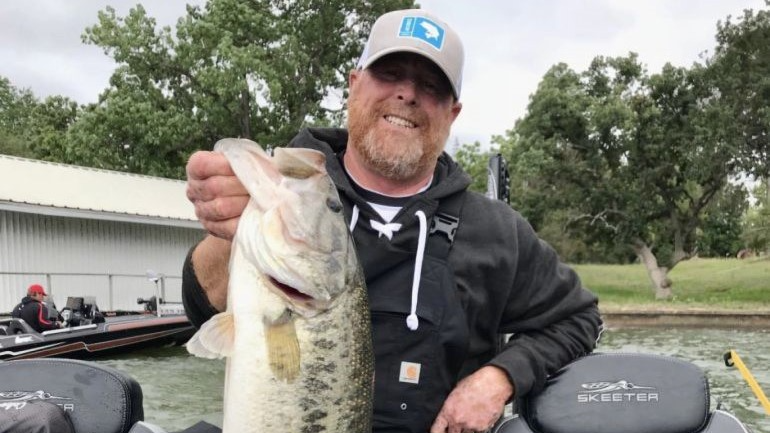
Caught a Largemouth Bass Fishing in Buchanan Dam
Largemouth Bass Fishing in Buchanan Dam
%2F%2Fusers%2F18c20dcf-6507-43d3-ab15-68797f362989%2Fimages%2Flargemouth-bass-buchanan-dam-fishing-4531.png&w=1200&q=75)
The Largemouth Bass is the most famous member of the sunfish family and America's most popular gamefish. Typically measuring 15-32 inches and weighing 2-22 pounds, these predators thrive in lakes, ponds, and rivers with structure and cover. - Known for their aggressive strikes and acrobatic fights - Recognized by their distinctive dark horizontal stripe and oversized mouth - Preferred target for tournament anglers nationwide
Guided Fishing Trip by Guide Randy Fesler in October
Meet your Guide Randy Fesler
- Lake LBJ and Lake Buchanan Bass Fishing Guide



Summary
Thursday September bass fishing on Lake Buchanan provided perfect conditions for targeting largemouth. We launched early morning with clear skies and calm waters—ideal for our bottom fishing and spinning techniques around Buchanan Dam. This guided fishing trip focused on deeper structure where fall bass typically hold, producing consistent catches throughout our session. Working both heavy and light tackle allowed us to adapt to different spots along the rocky shorelines and tree-lined areas. Lake Buchanan remains one of central Texas' premier bass destinations, with the dam area offering excellent structure for largemouth year-round. Whether you're an experienced angler or just getting started, our local knowledge and proven techniques put you right where the action is.
Fishing Charter with Randy Fesler – Rates & Booking
Guide Randy Fesler of Reel Texas Fishing Tours offers Thursday September trips targeting largemouth bass around Buchanan Dam. Our half-day trips provide everything you need—quality rods, tackle, and live bait—so you can focus on the fishing. We specialize in productive techniques including bottom fishing, spinning, and bait fishing that consistently produce bass in Lake Buchanan's structure-rich waters. Fall mornings offer some of the best fishing conditions of the year, with bass actively feeding around deeper structures.
Highlights of Half Day Trip
Our guided bass fishing trip delivers consistent action around Buchanan Dam's prime structure spots. The clear waters and rocky shorelines create perfect habitat for largemouth bass, which respond well to our specialized techniques. Early morning launches take advantage of the calm conditions and active feeding periods, giving you the best chance at quality fish.
We adapt our approach based on conditions, switching between heavy tackle for deeper structure and light tackle for more finesse presentations. The fall season offers excellent opportunities as bass feed actively before winter, making this an ideal time to experience Buchanan Dam's productive waters.
Local Species Insights: Largemouth Bass
Largemouth bass thrive in Lake Buchanan's diverse habitat, particularly around the dam where deeper structure, rocky areas, and tree lines create perfect ambush points. These fish respond well to bottom fishing techniques with plastic worms and jigs worked slowly through structure. During fall, bass often move between deeper water and shallow feeding zones, making early morning an ideal time to target active fish.
Our local knowledge helps pinpoint productive areas where bass concentrate based on current conditions. The dam area's combination of deep water access and abundant cover creates a year-round home for quality largemouth, with fall offering some of the season's most consistent action as fish feed aggressively.
Plan Your Fishing Charter Day
Our half-day bass fishing trips launch early morning from convenient locations near Buchanan Dam. We provide a fully-equipped fishing boat with all necessary gear, including quality rods, reels, and tackle suited for various techniques. We recommend bringing sun protection, comfortable clothing, and a camera to document your catch. Our experienced guide handles all the technical aspects, making this trip suitable for anglers of all skill levels seeking quality largemouth bass action on Lake Buchanan.
Fishing in Austin: Largemouth Bass

Largemouth Bass (Micropterus salmoides) belongs to the Centrarchidae family and Perciformes order. This iconic North American gamefish is immediately recognizable by its oversized jaw that extends beyond the eye socket and the distinctive dark lateral line running along its green to olive-colored body. In Buchanan Dam waters this September, these predators are actively feeding in preparation for the cooler months ahead.
Largemouth Bass Overview
Largemouth bass represent America's most popular freshwater gamefish, prized for their aggressive strikes, fighting ability, and widespread availability. They're the largest members of the sunfish family and have been successfully introduced to waters worldwide due to their adaptability and popularity among anglers.
Largemouth Bass Habitat and Distribution
These adaptable predators thrive in lakes, ponds, reservoirs, and slow-moving rivers with abundant cover like submerged timber, vegetation, rock piles, and docks. In Buchanan Dam, they particularly favor the deeper structure near the dam itself, rocky shorelines, and standing timber that provides ambush points for feeding.
Largemouth Bass Size and Weight
Typical adult largemouth bass range from 15 to 32 inches in length and weigh between 2 and 22 pounds. Trophy specimens exceeding 10 pounds are relatively rare but possible in Texas waters, especially in well-managed lakes like Buchanan that provide optimal habitat and forage.
Largemouth Bass Diet and Behavior
Largemouth are opportunistic apex predators that primarily feed on smaller fish, crawfish, frogs, and large insects. They typically hunt by ambush, using structure and cover to hide before explosively striking their prey. They're most active during dawn and dusk but will feed throughout the day when conditions are favorable.
Largemouth Bass Spawning Season
Spawning occurs when water temperatures reach 60-65°F, typically in spring (March-May in Texas). Males create and guard shallow nests in protected areas. During this period, they become highly territorial and will strike lures that approach their nests, though many anglers practice catch and release during spawning to protect populations.
Largemouth Bass Fishing Techniques
Effective techniques include Texas-rigged plastic worms worked slowly through cover, jigs bounced along bottom structure, and spinnerbaits retrieved near submerged timber. Topwater lures excel during morning and evening feeding periods. In September around Buchanan Dam, focus on deeper structure adjacent to feeding flats, as bass will move up to feed during low light conditions before retreating to cooler, deeper water during the heat of the day.
Largemouth Bass Is It Good to Eat?
Largemouth bass provide firm, white, flaky meat with a mild flavor that many anglers enjoy. However, they're not typically considered premier table fare compared to species like crappie or walleye. Many anglers practice catch-and-release for largemouth, especially larger specimens, to maintain healthy populations for sport fishing.
Largemouth Bass Frequently Asked Questions
Q: What is the best bait for largemouth bass in Lake Buchanan?
A: In Lake Buchanan, plastic worms (watermelon or green pumpkin colors), jigs around deeper structure, and shad-imitating crankbaits consistently produce bass. Live shiners and wild-caught crawfish are excellent natural bait options when artificial lures aren't producing.
Q: Where can I find largemouth bass near Buchanan Dam?
A: Focus on the rocky areas near the dam itself, submerged timber stands, creek channel edges, and points adjacent to deeper water. During fall, bass often relate to structural features where they can quickly move between deep water sanctuary and shallow feeding areas.
Q: Is largemouth bass good to eat from Lake Buchanan?
A: Largemouth from Lake Buchanan are safe to eat in moderation and have a mild, firm white flesh. Many anglers prefer to keep smaller specimens (1-3 pounds) for eating while releasing larger fish to preserve trophy potential in the lake.
Q: When is the best time to catch largemouth bass in Buchanan Dam?
A: Early morning and late evening typically produce the most consistent action, especially during fall when water temperatures begin cooling. Spring (March-May) during pre-spawn and spawning periods also offers excellent fishing opportunities as bass become more aggressive.
Q: What's the Texas state record for largemouth bass?
A: The Texas state record largemouth bass weighed 18.18 pounds, caught in 1992 from Lake Fork. While Lake Buchanan may not produce fish of that caliber, it regularly yields quality bass in the 3-7 pound range with occasional larger specimens.