%2Ffit-in%2F250x250%2Fguide_websites%2F15107%2Fimages%2F1742406588326image-2025-03-20t014944.133.png&w=1200&q=100)
Lake Buchanan Bass Fishing with Randy Fesler
Largemouth Bass Fishing in Buchanan Dam
%2F%2Fusers%2F18c20dcf-6507-43d3-ab15-68797f362989%2Fimages%2Flargemouth-bass-buchanan-dam-fishing-10828.png&w=1200&q=75)
The Largemouth Bass is America's most iconic freshwater gamefish, sought after by anglers across the country for its aggressive strikes and fighting ability. These ambush predators can be found throughout Buchanan Dam's waters, particularly around structure and cover where they wait to attack passing prey. - Largemouth bass can grow to impressive sizes, with trophy specimens reaching over 10 pounds in optimal conditions. - Fall is an excellent time to target largemouth bass as they feed heavily before winter.
Guided Fishing Trip by Guide Randy Fesler in October
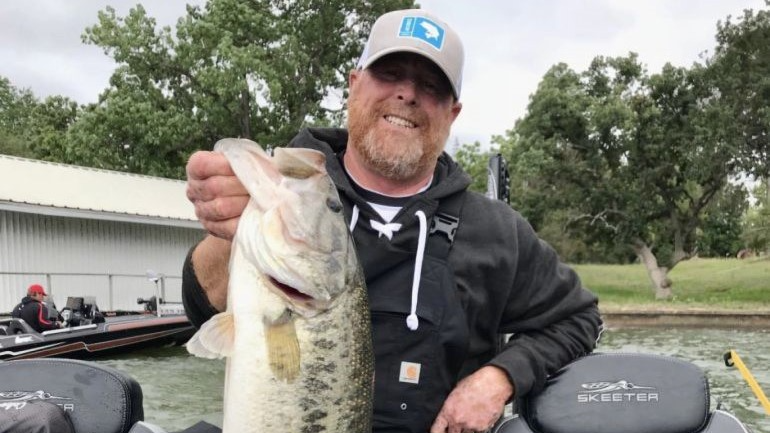
Meet your Guide Randy Fesler
- Lake LBJ and Lake Buchanan Bass Fishing Guide



Summary
Monday October on Lake Buchanan offered perfect conditions for our guided fishing trip targeting largemouth and spotted bass. We started early with clear skies that held steady throughout our half-day adventure. Using live bait, spin casting, and bottom fishing techniques, we worked structure and cover areas where bass typically hold. These approaches are particularly effective in Buchanan Dam waters, where understanding local bass behavior makes all the difference. Our client Cody landed several quality largemouth and spotted bass, making for a productive morning on the water. Whether you're a seasoned angler or new to fishing, our local knowledge and proven methods will help you connect with Lake Buchanan's thriving bass population.
Fishing Charter with Randy Fesler – Rates & Booking
Guide Randy Fesler of Reel Texas Fishing Tours on Monday October offers half-day bass fishing trips on Lake Buchanan. These guided excursions provide the perfect balance of fishing time without consuming your entire day. We specialize in targeting largemouth and spotted bass using various techniques tailored to current conditions. All necessary gear, tackle, and bait are provided, so you can focus entirely on the fishing experience. Fall offers some of the best bass action of the year in these waters, with fish actively feeding before winter.
Highlights of Our Half Day Trip
Our Buchanan Dam fishing trips feature experienced guidance through productive bass waters where structure and cover hold quality fish. We'll employ multiple techniques including live bait fishing, spin casting, and bottom fishing to maximize your chances at hooking into largemouth and spotted bass. The half-day format gives us plenty of time to work different areas while allowing you flexibility with the rest of your day.
Lake Buchanan's clear waters provide excellent visibility, making it easier to spot structure and target bass effectively. Whether you're bringing heavy or light tackle, we'll adapt to your experience level and preferences to ensure an enjoyable and successful trip. Fall patterns typically have bass moving toward shallower areas, creating exciting fishing opportunities throughout the season.
Local Species Insights: Largemouth Bass
Largemouth bass in Buchanan Dam waters thrive in the lake's abundant cover and structure. These fish relate strongly to submerged vegetation, rocky areas, and fallen timber where they can ambush prey. The clear water conditions of Lake Buchanan make sight fishing possible during certain times of year, though bass may hold deeper during bright midday hours.
Productive techniques include working Texas-rigged soft plastics along drop-offs, throwing spinnerbaits near submerged vegetation, and presenting live bait around promising structure. Early mornings and late afternoons typically offer the best action, though seasonal patterns vary. Fall is particularly productive as bass feed aggressively before winter temperatures arrive, making it an ideal time to target trophy fish in the area.
Plan Your Fishing Charter Day
Our guided fishing trips launch from convenient Buchanan Dam access points, with exact meeting locations provided upon booking. We recommend bringing sun protection, weather-appropriate clothing, and a camera to document your catch. Our boat comfortably accommodates anglers with quality equipment and safety gear on board. Early morning start times (typically around sunrise) maximize our chances with active bass, though we can adjust timing based on seasonal patterns and your schedule.
Fishing in Austin: Largemouth Bass

The Largemouth Bass (Micropterus salmoides) belongs to the Centrarchidae family and Perciformes order. This iconic fish is easily identified by its oversized jaw that extends beyond the eye, olive-green coloration with a dark horizontal stripe, and robust body shape. In Buchanan Dam waters this October, these predators are actively feeding as they prepare for winter months ahead.
Largemouth Bass Overview
Largemouth Bass stands as America's premier freshwater gamefish, prized by anglers for its aggressive strikes, acrobatic fights, and widespread availability. This species has been introduced to waters worldwide due to its sporting qualities and adaptability to various habitats.
Largemouth Bass Habitat and Distribution
These fish thrive in lakes, ponds, reservoirs, and slow-moving rivers with abundant vegetation and structure. They prefer areas with submerged logs, rock piles, docks, and aquatic plants that provide ambush points. In Buchanan Dam, they're commonly found around flooded timber, points, and coves where baitfish congregate.
Largemouth Bass Size and Weight
Typical adult specimens range from 15 to 32 inches in length, with weights varying from 2 to 22 pounds. Most anglers consider a 5-pound bass a quality catch, while anything over 8 pounds enters trophy territory. Lake records vary by region, with the largest specimens typically coming from southern waters with longer growing seasons.
Largemouth Bass Diet and Behavior
These opportunistic predators feed primarily on smaller fish, crawfish, frogs, and large insects. They're ambush feeders, using structure and vegetation as cover to surprise prey. During summer and early fall, they often feed most actively during early morning and evening hours, while seeking deeper, cooler water during hot midday periods.
Largemouth Bass Spawning Season
Spawning typically occurs when water temperatures reach 60-65°F, usually in spring. Males build shallow nests in protected areas and aggressively defend them after females deposit eggs. This spawning behavior makes them territorial and more likely to strike lures that invade their space, though ethical anglers practice catch and release during this sensitive period.
Largemouth Bass Fishing Techniques
Productive methods include Texas-rigged plastic worms worked slowly along bottom structure, topwater baits during low light conditions, and crankbaits paralleling shorelines and points. Spinnerbaits excel in slightly stained water, while drop-shotting works well in clear conditions. In October around Buchanan Dam, focus on points and creek channels where bass chase shad schools preparing for winter.
Largemouth Bass Is It Good to Eat?
While edible with mild, white flesh, largemouth bass is more valued as a sport fish than table fare. The meat has a clean taste when prepared properly, best served baked or fried. Many anglers practice catch and release to preserve populations, though keeping occasional fish within legal limits is sustainable in healthy fisheries.
Largemouth Bass Frequently Asked Questions
Q: What is the best bait for Largemouth Bass?
A: Plastic worms, particularly in watermelon, green pumpkin or junebug colors, consistently produce results. Live offerings like shad and crawfish are also excellent, especially when fishing is tough. Match your presentation to conditions – topwater in low light, deeper presentations during bright midday periods.
Q: Where can I find Largemouth Bass near Buchanan Dam?
A: Focus on submerged timber, rocky points, and weed edges in 5-15 foot depths. During fall, bass often follow baitfish schools into coves and creek arms. Early mornings are productive along shoreline structure, while deeper main-lake points produce better during midday hours.
Q: Is Largemouth Bass good to eat?
A: While edible with white, flaky meat, most anglers consider them average table fare compared to crappie or walleye. Smaller bass (1-3 pounds) typically taste better than larger specimens. Proper cleaning and preparation make a significant difference in flavor quality.
Q: When is the best time to catch Largemouth Bass?
A: Spring and fall offer peak fishing periods when bass are actively feeding in comfortable water temperatures. Early mornings and evenings typically outproduce midday hours, especially during summer. In October at Buchanan Dam, the cooling water triggers feeding activity as bass prepare for winter.
Q: What pound test line should I use for bass fishing?
A: For most applications, 12-17lb fluorocarbon or monofilament works well. Use heavier 50-65lb braided line when fishing heavy cover or vegetation. When finesse fishing in clear water conditions, lighter 8-10lb test increases bait action and generates more strikes.
Q: How do I fish for bass in clear water like Buchanan Dam?
A: In clear water conditions, downsize your presentations, use natural colors that match local forage, and make longer casts to avoid spooking fish. Fluorocarbon line reduces visibility, and finesse techniques like drop-shotting and Ned rigs often outperform power fishing approaches during challenging clear water periods.