%2Ffit-in%2F250x250%2Fguide_websites%2F15107%2Fimages%2F1742406588326image-2025-03-20t014944.133.png&w=1200&q=100)
Buchanan Dam Randys Pro Bass Fishing Guide
Largemouth Bass Fishing in Buchanan Dam
%2F%2Fusers%2F18c20dcf-6507-43d3-ab15-68797f362989%2Fimages%2Flargemouth-bass-buchanan-dam-6694.png&w=1200&q=75)
The Largemouth Bass is America's most iconic freshwater gamefish, prized by anglers for its aggressive strikes and powerful fights. Native to eastern and central United States, these ambush predators thrive in lakes, ponds, and slow-moving rivers with plenty of cover. - Can live up to 16 years in ideal conditions. - Known for their remarkable ability to jump when hooked. - Females grow significantly larger than males.
Guided Fishing Trip by Guide Randy Fesler in August
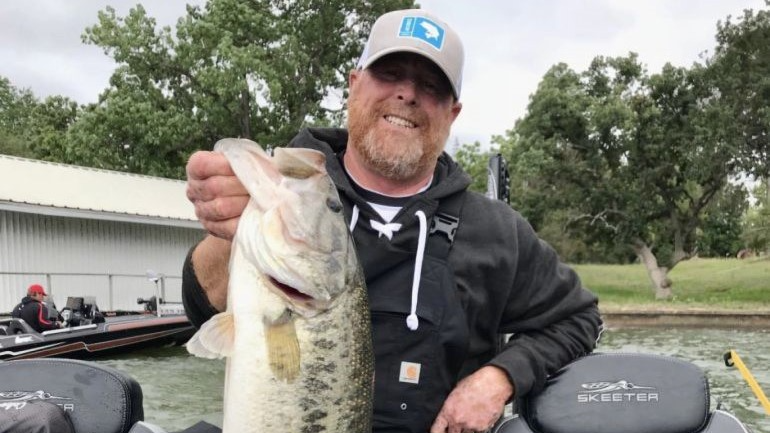
Meet your Guide Randy Fesler
- Lake LBJ and Lake Buchanan Bass Fishing Guide



Summary
Had an incredible 6-hour guided fishing trip on the waters of Buchanan Dam, TX this Saturday May. Working with Randy Fesler from Reel Texas Fishing Tours, we landed multiple Largemouth Bass using both heavy and light tackle setups. The partly cloudy morning created perfect conditions as we targeted structure along the banks. This Buchanan Dam fishing charter is ideal for anglers looking to target trophy bass in central Texas lakes. Randy's local expertise had us on fish right away, with steady action throughout the morning using a variety of techniques. The trip includes all necessary gear and personalized instruction for both beginners and experienced anglers.
Fishing Charter with Randy Fesler – Rates & Booking
Guide Randy Fesler of Reel Texas Fishing Tours on Saturday May offers 6-hour guided fishing trips on the productive waters around Buchanan Dam, Texas. These trips are perfect for anglers of all skill levels looking to target Largemouth Bass and other species. Randy provides all the necessary fishing equipment, from rods and reels to lures and live bait, ensuring you're fully equipped for a successful day on the water. His local knowledge of the lake's structure and seasonal patterns puts clients on fish consistently throughout the year.
Trips typically start in the early morning when the bass are most active, though afternoon trips are available depending on the season. Whether you're looking to learn new techniques, improve your skills, or just enjoy a relaxing day catching fish, Randy customizes each trip to meet your specific goals. Book your Buchanan Dam fishing adventure today to secure your spot with one of the area's most experienced guides.
Highlights of Reel Texas Fishing Tours
Our recent trip with Randy featured non-stop action targeting Largemouth Bass, Smallmouth Bass, and Spotted Bass throughout the lake. We focused on working banks and structure, which proved highly effective as the fish were actively feeding. The combination of heavy and light tackle fishing created varied experiences, from the powerful fights of larger bass to the technical finesse required for the more cautious fish.
What makes fishing with Randy special is his ability to adapt to changing conditions and find productive water quickly. His boat is well-equipped with quality gear and electronics, making the experience comfortable and efficient. The scenic backdrop of Buchanan Dam and the surrounding Hill Country adds to the overall experience, providing beautiful views between catches.
Local Species Insights: Largemouth Bass
Largemouth Bass in Buchanan Dam thrive in the lake's abundant structure – from submerged timber and brush piles to rocky points and weed edges. During our May trip, the bass were actively feeding in shallow water along banks and around structure. Randy's expert guidance on presentation techniques made all the difference, showing us how subtle adjustments in retrieval speed and lure selection can trigger strikes even from reluctant fish.
Seasonal patterns in Buchanan Dam make May an excellent time for bass fishing, as the fish are often in post-spawn patterns and actively feeding. Water temperature plays a crucial role in locating bass here, with Randy constantly monitoring conditions to find the most productive areas. The lake's varied habitat supports healthy populations of quality-sized Largemouth Bass, making it a premier bass fishing destination in Central Texas.
Plan Your Fishing Charter Day
When booking with Reel Texas Fishing Tours, plan to arrive about 15 minutes before your scheduled departure time. Wear comfortable, weather-appropriate clothing and don't forget sun protection (hat, sunglasses, and sunscreen) even on cloudy days. Randy's boat comfortably accommodates two anglers, providing plenty of space to fish effectively.
Morning trips typically begin around sunrise when the fish are most active and the temperatures are cooler. All fishing equipment is provided, though you're welcome to bring your own gear if preferred. For your comfort, consider bringing water, snacks, and a camera to document your catches. Randy practices catch-and-release for conservation but can clean and package fish for those wanting to keep their legal limit.
Fishing in Austin: Largemouth Bass

The Largemouth Bass (Micropterus salmoides) is the most celebrated member of the Centrarchidae family and belongs to the order Perciformes. Instantly recognizable by its oversized jaw that extends beyond the eye and distinctive olive-green coloration with a dark lateral line, this iconic gamefish has earned its reputation as America's premier freshwater sport fish. In Buchanan Dam waters this May, these predators are particularly active as they transition from spawning to summer feeding patterns.
Largemouth Bass Overview
Largemouth Bass are ambush predators with remarkable strength and agility. They're highly sought after by anglers for their aggressive strikes and aerial acrobatics when hooked. Their popularity has led to extensive stocking programs throughout the United States, making them one of the most widely distributed gamefish in North America.
Largemouth Bass Habitat and Distribution
These versatile predators thrive in lakes, ponds, reservoirs, and slow-moving sections of rivers with abundant cover. They prefer areas with submerged vegetation, fallen trees, docks, and other structures that provide ambush points. In Buchanan Dam, they're commonly found along rocky points, submerged timber, and weed edges, particularly in areas where shallow water transitions to deeper zones.
Largemouth Bass Size and Weight
Adult Largemouth Bass typically range from 15 to 32 inches in length and can weigh anywhere from 2 to 22 pounds. The average catch in most waters is around 2-4 pounds, though trophy specimens exceeding 10 pounds are possible in well-managed waters with optimal growing conditions. Female bass grow significantly larger than males, with the current world record standing at over 22 pounds.
Largemouth Bass Diet and Behavior
Largemouth Bass are opportunistic predators that feed primarily on smaller fish, crawfish, frogs, and large insects. They're visual hunters, relying on their excellent eyesight to ambush prey from concealed positions. During warmer months, they're most active during early morning and evening hours, while in winter they tend to move deeper and become less aggressive. Their feeding behavior changes seasonally, with peak activity occurring during pre-spawn and post-spawn periods.
Largemouth Bass Spawning Season
Spawning typically occurs when water temperatures reach 60-65°F, usually in spring months (March to May in Buchanan Dam). Males build and guard shallow nests in protected areas, often near shorelines. After spawning, females depart while males continue guarding the nest until fry disperse. This post-spawn period in May can be excellent for fishing as females aggressively feed to recover energy expended during reproduction.
Largemouth Bass Fishing Techniques
Three highly effective techniques for Largemouth Bass include soft plastic worms Texas-rigged and worked slowly along bottom structure, topwater frogs or buzzbaits skimmed across vegetation mats, and crankbaits cranked along rocky points and ledges. In May around Buchanan Dam, targeting post-spawn bass often means focusing on secondary points and deeper structure adjacent to spawning flats, as fish transition to summer patterns. Early mornings and evenings typically produce the most consistent action this time of year.
Largemouth Bass Is It Good to Eat?
Largemouth Bass has white, flaky meat with a mild flavor that many find enjoyable. It's moderately firm with few bones when properly filleted. While not typically considered a premier food fish compared to species like crappie or walleye, it's perfectly edible when harvested from clean waters. They're a good source of protein and omega-3 fatty acids, though many anglers practice catch-and-release to preserve populations, especially for larger specimens that contribute significantly to breeding stocks.
Largemouth Bass Frequently Asked Questions
Q: What is the best bait for Largemouth Bass?
A: Plastic worms, particularly in watermelon or green pumpkin colors, are consistently productive. Live baits like shiners and crawfish are excellent natural options. For artificial lures, spinnerbaits, crankbaits, and topwater frogs are top producers, with selection depending on water conditions and time of year.
Q: Where can I find Largemouth Bass near Buchanan Dam?
A: Focus on areas with submerged timber, weed edges, rocky points, and dock structures. In spring and early summer, target shallow coves and spawning flats. During summer heat, look for bass around deeper structures and drop-offs, particularly near creek channels and main lake points.
Q: Is Largemouth Bass good to eat?
A: Yes, Largemouth Bass is edible with mild, white flesh. They're best when harvested from clean, cool waters and prepared fresh. Smaller specimens (1-3 pounds) generally taste better than larger ones. Common preparation methods include grilling, baking, or pan-frying with light seasoning to preserve their natural flavor.
Q: When is the best time to catch Largemouth Bass?
A: Early morning and evening hours typically produce the best action, especially during warmer months. Spring (pre-spawn and post-spawn periods) and fall are generally the most productive seasons. In Buchanan Dam, May through June offers excellent opportunities as bass recover from spawning and actively feed.
Q: What size hook should I use for Largemouth Bass?
A: For soft plastics, 3/0 to 5/0 hooks work well depending on bait size. For live bait, 1/0 to 3/0 hooks are typically appropriate. When fishing with lighter tackle or smaller baits, consider scaling down to 1/0 or 2/0 hooks to improve hook-up ratios without compromising strength.
Q: Do Largemouth Bass fight harder than Smallmouth Bass?
A: While Largemouth Bass are known for their initial powerful runs and spectacular jumps, many anglers consider Smallmouth Bass to fight harder pound-for-pound with more sustained battles and dogged determination. Both provide excellent sport, with Largemouth typically employing more explosive tactics while Smallmouth offer more endurance.